Facing a Big 2026 Tax Bill? Turn It Into a Short-Term Rental You Own.
Learn how high-income earners use the short-term rental loophole to legally offset their active income, in some cases by as much as six figures, and the steps to get a property ready before the 2026 window closes.
What You'll Walk Away With
-
1.
Use the Short-Term Rental Loophole to Legally Offset Your Active Income
Facing a big 2026 tax bill? See how high-income earners use it to legally offset active income, in some cases by as much as six figures.
-
2.
Choose a Market and Evaluate a Property Before You Buy
Compare local demand, competition, and regulations, and learn which numbers to examine before committing capital.
-
3.
Spot Potentially Costly Investment Mistakes
Understand the risks and requirements upfront instead of learning every lesson through trial and error.
-
4.
Understand the Steps From Purchase to Launch
Get an overview of financing, licensing, furnishing, setup, and management before getting started.
-
5.
Move From Research to a Clear Plan
Already watched the videos and researched properties? Get a structured approach and clear next steps for your first short-term rental.
Why Pay Taxes When You Can Legally Build a Portfolio?
You work hard, you earn a lot, and every year a huge chunk of it goes straight to the IRS. Most people think that's just the price of success. It doesn't have to be.
There's a strategy called the short-term rental loophole. Used correctly, it can let high-income earners legally offset their active income, in some cases by as much as six figures.
So instead of sending all of that money to the IRS, you put it into a short-term rental that can cash flow and grow in value over time.
How the Short-Term Rental Loophole Works
The 7-Day Rule
Normally, rental losses are passive and can't offset your W-2 or business income. But when a property's average guest stay is 7 days or less, the IRS doesn't treat it as a rental activity under the passive-loss rules.
Material Participation
If you materially participate in running the property, for example by spending at least 100 hours on it during the year and more time than anyone else, its losses can be treated as non-passive. That means they may offset your active income.
Cost Segregation + Bonus Depreciation
A cost segregation study separates out parts of the property, like furniture, fixtures, and outdoor improvements, that can be depreciated faster. With 100% bonus depreciation now permanent for property acquired after January 19, 2025, much of that depreciation can be taken in the first year, creating a large paper loss even when the property cash flows.
The 2026 Window Is Closing
To count for 2026, the property generally needs to be purchased and ready for guests before December 31. Finding, buying, and setting up a property takes time, so if you want this to work for 2026, the time to start is now.
In this free training, Kekoa will break down how the strategy works, who it may apply to, and the steps involved, so you can have an informed conversation with your CPA.
Every situation is different. Tax results depend on your income, the property, how it's rented, and your own participation. Work with a qualified CPA before acting.

Over 20 Years in Real Estate. Experience Across Multiple Property Strategies.
Kekoa has spent more than 20 years investing in real estate, with experience across single-family rentals, multifamily properties, short-term rentals, and other investment strategies.
His portfolio includes more than 200 multifamily units and 12 short-term rentals.
He's also helped dozens of high-income earners turn what would have been tax payments into real estate they own.
Through his experience, Kekoa has learned the importance of evaluating opportunities carefully, understanding the numbers, and considering the practical details before committing to a property.
Now, he's sharing the key principles and steps that aspiring short-term rental investors should understand before getting started.
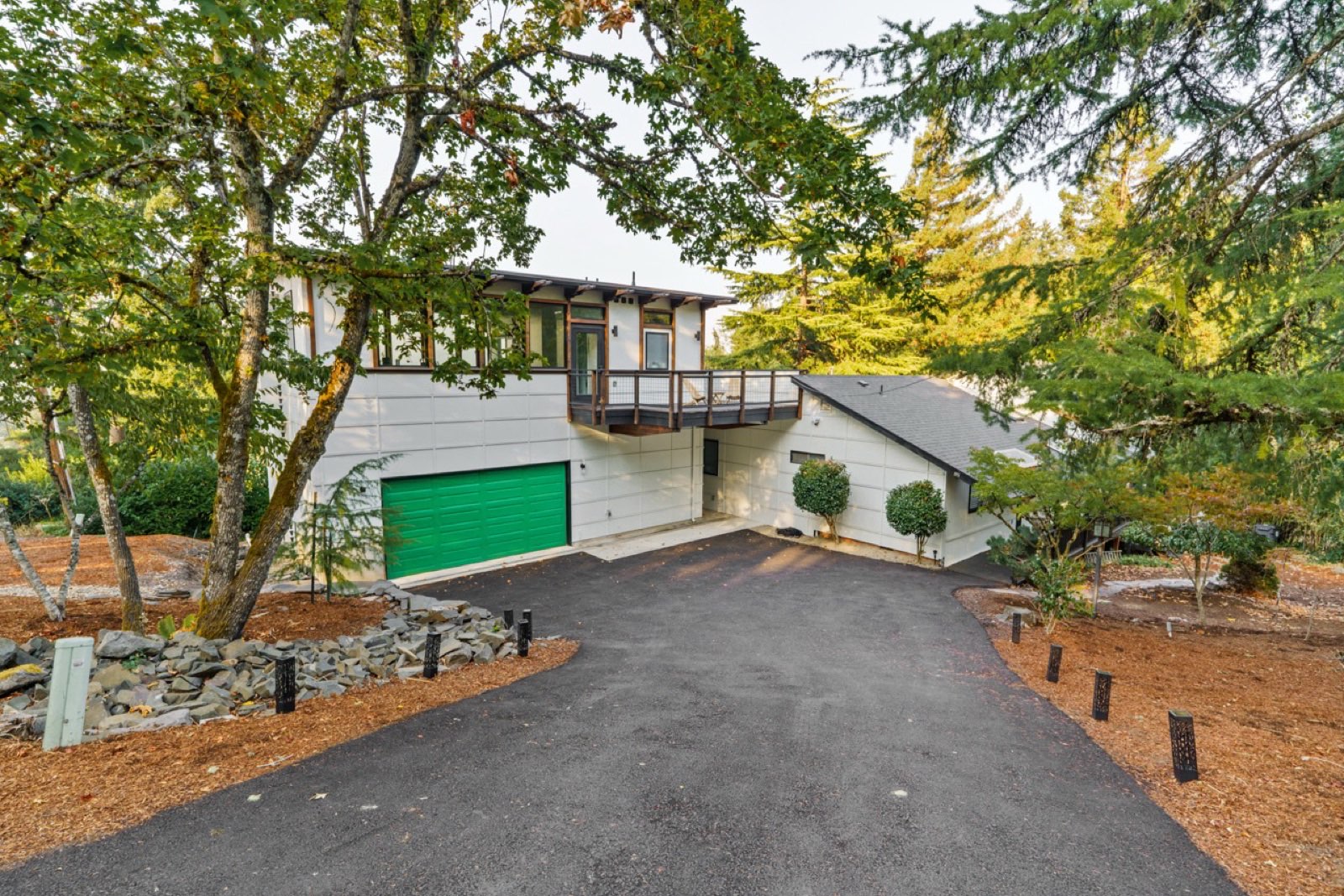

Ingalls Way
"Ascend didn't just manage my Eugene house — they made it the one guests fight to book. The game room and the details they added turned it into their top-performing home, and the monthly payouts prove it."
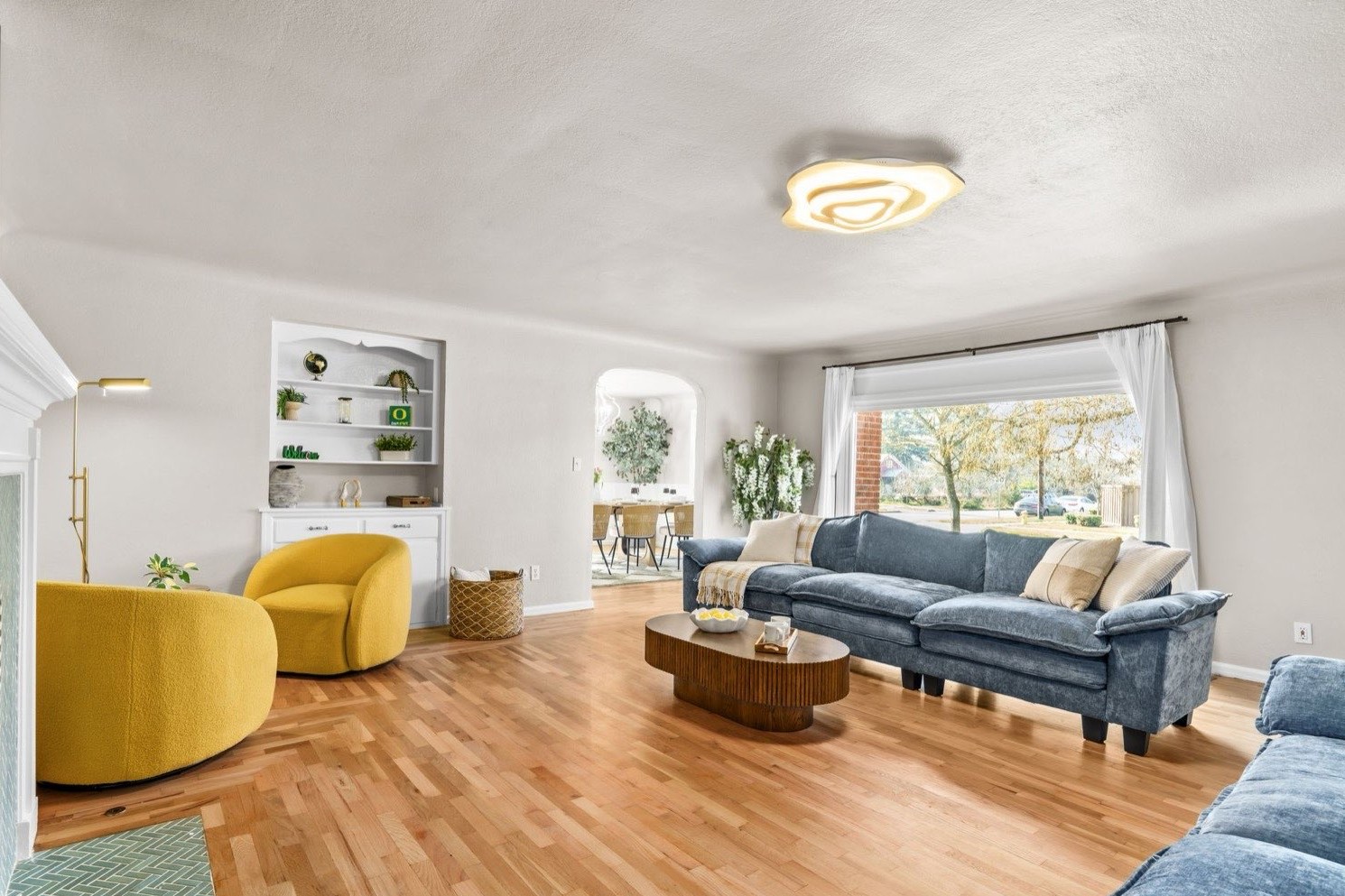
Polk Street
"We had such a great time staying at this gorgeous home! The host was so kind and communicated everything so clearly throughout our stay. We would definitely stay here again."

Benton Road
"This home and its surroundings are absolutely beautiful. The peace, quiet, and serenity are incredible. The host's communication was prompt and thoughtful, with excellent customer care at the heart of everything… I absolutely loved my stay and can't wait to come back!"
A closer look at the types of factors to consider when evaluating a short-term rental opportunity.